%2Fsportzpoint%2Fmedia_files%2Ff4898a44-3d26-41ba-ba77-79d282b60823.jpg&w=3840&q=75)
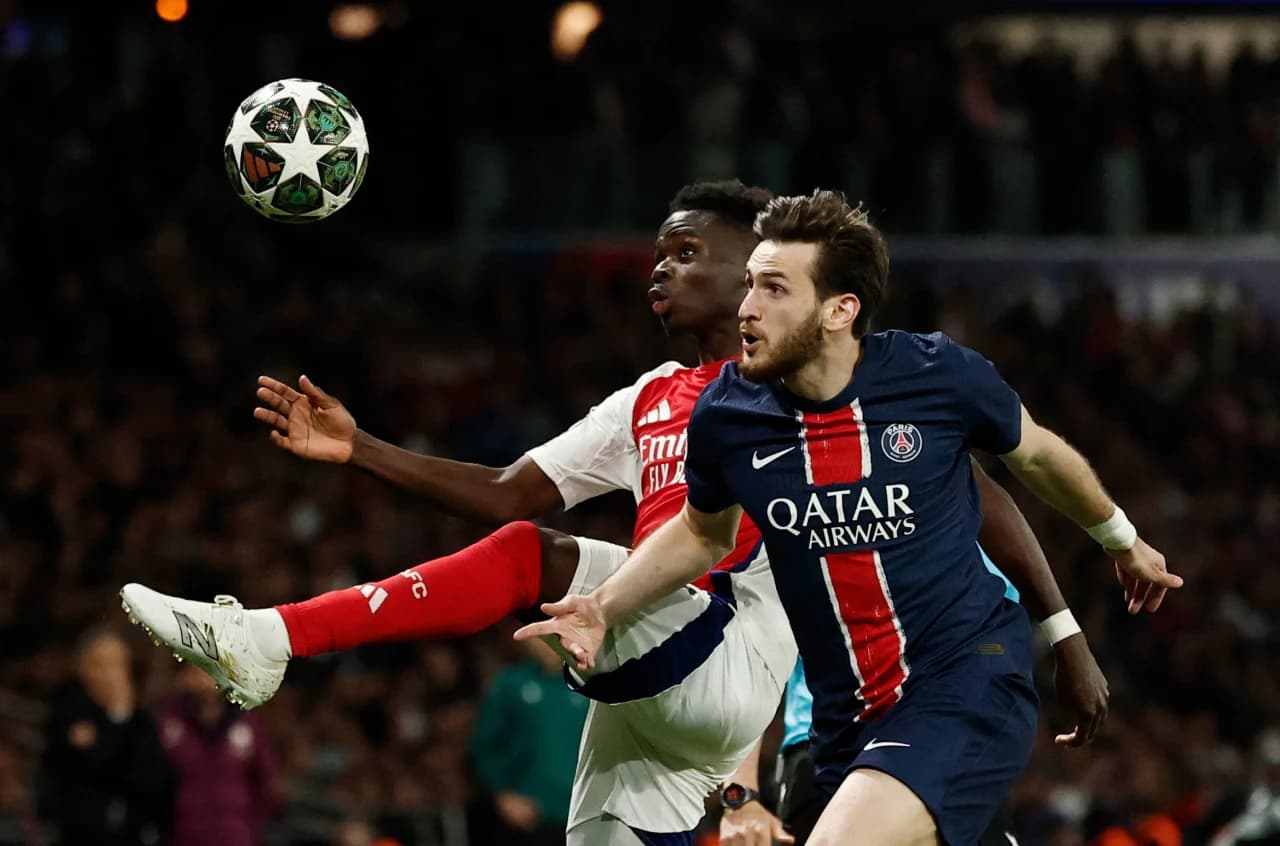
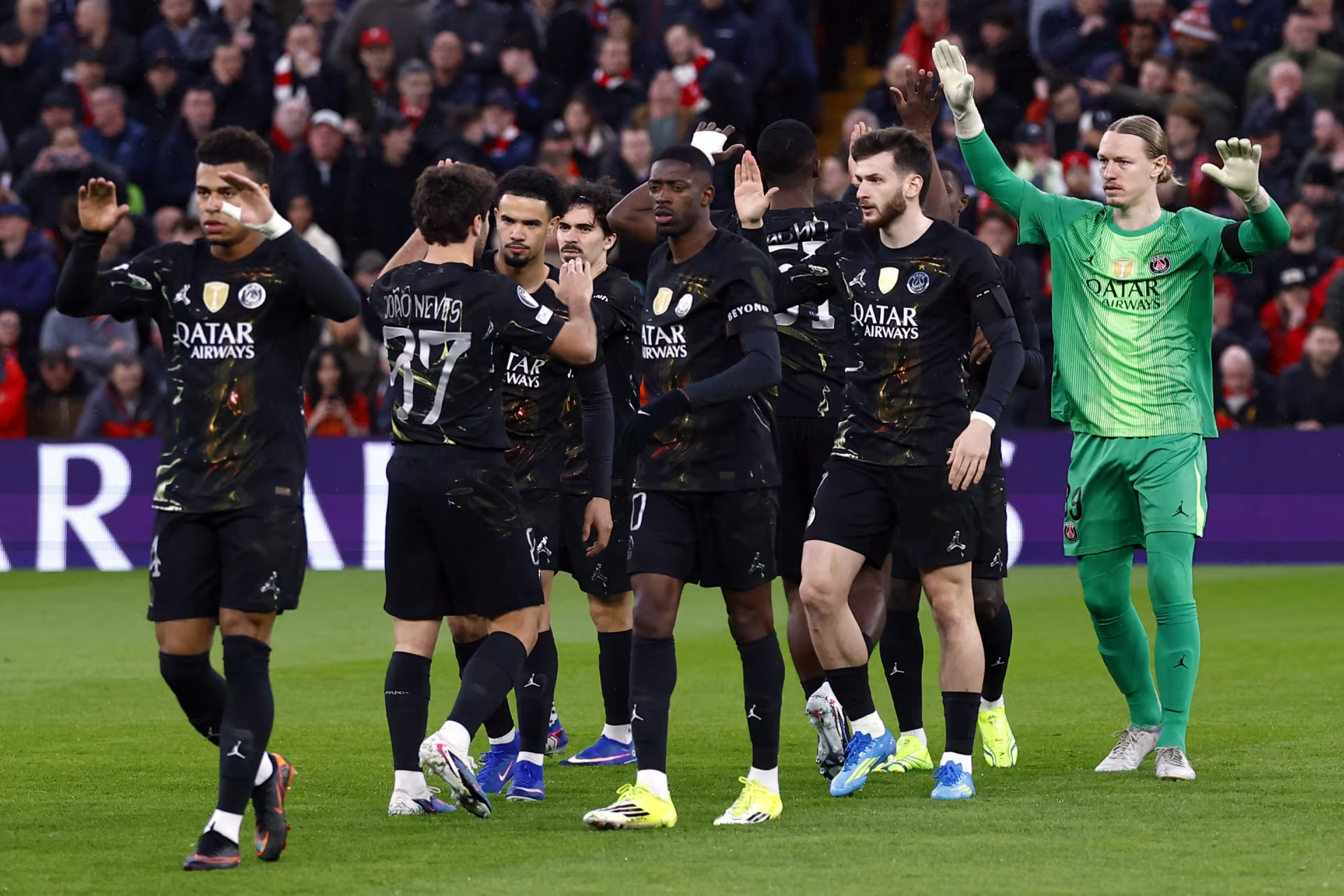
When the stakes are high, passions run even higher — and for sports fans, few moments rival the intensity and excitement of a major game. Whether it's a Grand Final, a State of Origin decider, or a headline horse race, big events have a remarkable way of sparking widespread discussion.
But what exactly is it about high-profile matches that gets fans talking, debating, and even arguing long after the final whistle?
The Emotional Pull of High-Stakes Matches
Sport is more than just competition — it’s a deeply emotional experience. Supporters invest their time, energy, and identity into their teams, players, and the outcomes of each match.
Big games carry not just the weight of the scoreboard but the hopes of entire fan bases. This emotional investment is often amplified during finals, derbies, or rival clashes, where there’s more than just points on the line — pride, history, and community allegiance are at play.
When emotions run high, people seek connection. Discussing the highs and lows of a dramatic game allows fans to process those feelings, find solidarity with others, or even vent frustration. This is particularly true in NRL and AFL communities, where team loyalty is often generational and tribal in nature.
Shared Experiences Amplify Dialogue
A key factor driving conversation is the shared nature of big games. These events are often viewed live by millions, either in person or through broadcasts. Whether it’s a sold-out MCG or a bustling pub in Sydney’s Inner West, big games foster collective experiences that naturally lead to discussion.
These shared moments form social rituals — people debrief at the office the next day, dissect tactics on forums, or analyse controversial decisions on talkback radio. Social media has further accelerated this, enabling instant reaction, memes, and debate in real time. Fans from all over the country can now weigh in, share hot takes, or relive standout moments within seconds.
Read Also | Understanding the benefits of using digital currencies for online sports betting
Controversy and Drama Fuel Discussion
Nothing gets people talking quite like controversy. And in big games, the margin for error is small, which puts every umpire decision, coaching move or strategic call under the microscope. A missed call in the final minute, a sudden injury to a star player, or an unexpected tactical shift can dominate headlines and group chats alike.
The uncertainty of sport — and the unpredictability of how events unfold — adds another layer of intrigue. Conversations often revolve around “what if” scenarios, predictive discussions ahead of the match, and post-game dissection that borders on forensic analysis. This constant stream of opinion and counter-opinion fuels a feedback loop of engagement.
Read Also | Common Sports betting mistakes and how to avoid them
Betting and Predictions Heighten Engagement
Online betting and fantasy sports have added a new dimension to how fans engage with big games. When there’s something riding on the result — a bet, a tip, or a multi — every play feels more personal.
In fact, research by the Australian Institute of Family Studies found that over 574,000 adults placed sports bets each month, with younger men aged 18–34 making up the largest group. This shows just how embedded betting has become in the sporting experience.
Fans aren't just interested in who wins — they care about how it happens. Will a forward kick the first goal? Will the margin be under 12 points? These layers of speculation fuel richer conversations. Platforms like https://www.betr.com.au/ give fans a structured way to get involved and talk sport with real stakes.
Sport as a Social Identity
In Australia, sport is an essential part of the national identity. Supporting a team, backing a horse, or following a greyhound circuit is more than a hobby — it’s a way of connecting with others, expressing loyalty, and being part of a broader culture.
Big games act as communal milestones — they mark time, gather people, and spark memories that last for years. These events become part of a personal and collective narrative, which is why they resonate so deeply. Talking about them, therefore, is not just about analysing a result; it’s about reaffirming identity, belonging, and community.
Takeaway
Big games matter — not just for what happens on the field or track, but for the ripple effects they create in the lives of fans. From living rooms to group chats, from pubs to podcasts, these moments ignite a shared energy that few other experiences can match. Whether you're a rusted-on supporter dissecting a coaching blunder or a punter chasing a thrilling upset, the conversation is where the passion lives on. And in sport, conversation is half the fun.

![East Bengal vs Mohun Bagan: Head to Head Stats [UPDATED]](/_next/image?url=https%3A%2F%2Fpub-fc6b0668ad0242ec8180d92255407043.r2.dev%2Fsportzpoint%2F1779083597619-east-bengal-vs-mohun-bagan.jpg&w=3840&q=75)