The excitement was palpable at the Sawai Man Singh Stadium in Jaipur on the 19th of April, 2025, as Vaibhav Sooryavanshi, then a mere 14 years and 23 days old, took guard for the Rajasthan Royals.
He was up against a Lucknow Super Giants bowling attack laced with experience in the IPL and the international circuit. Shardul Thakur, bowling the first over of the innings with 181 to defend for LSG, ran in and pitched the fourth ball of the over somewhere around middle and leg, on a hard length, angling the ball away at around 135 kmph speed.
Theoretically, there seemed to be nothing bad about the ball, particularly considering this was bowled to a left-hander in his early teens, facing his first ball in the biggest franchise cricket league in the world. Except this was no ordinary teenager, as the world found out in about five seconds.
Before the release, Sooryavanshi had already shuffled away from his stumps. As the ball landed, the bat twirled in his hand, went up, and with enough room to free his arms, Sooryavanshi gave the white Kookaburra a sumptuous thump.
Vaibhav Suryavanshi smashed six on his very first ball he faced in IPL against Shardul Thakur 🔥#Cricket #VaibhavSuryavanshi #RRvsLSG #IPL2025 #CricketTwitter pic.twitter.com/UrZBANQucn
The ball landed a few yards over the Tata Curvv on display outside the extra cover boundary. A 14-year-old, with five first-class matches, six List A matches and a solitary T20 for his state side over two domestic seasons, had just dispatched his first ball in the IPL – bowled by an Indian international at that – for six.
There has been no looking back for the boy-wonder ever since.
Sooryavanshi finished his first season in the IPL with 252 runs in seven outings, striking at over 200 (206.55), a feat that no other batter with over 200 runs in the season had achieved. Sooryavanshi’s stocks have seen a meteoric rise ever since, touching staggering heights each game in IPL 2026 as he kept producing one mind-boggling performance after another.
When I had met him two years back for the first time during Ranji Trophy, never had imagined he would achieve these so quickly
— Koushik Biswas (@kbofficial25) May 31, 2026
Emerging Player ☑️
Most sixes ☑️
Highest strike rate ☑️
Orange Cap ☑️
All for a 15-year-old Vaibhav Suryavanshi! #IPL2026 #VaibhavSuryavanshi pic.twitter.com/xc9e1BGniO
Several revered individuals in the cricket fraternity have already touted him as more than a wunderkind, and for good reason.
While Vaibhav Sooryavanshi’s case is an anomaly, the Indian Premier League has produced many such stories of relatively unknown prodigies becoming the apple of the eye of the sport’s followers over the last decade and a half. Plenty of inspirational stories have emerged – the boy-wonders, the under-privileged, the perseverant – the IPL has rewarded one and all, from various nooks and crannies of the country.
Read also: Feature: How Tennis Cricket is Quietly Powering Indian Cricket's Next Generation
Too young or too old? Does not matter

Age has never been a barrier in the IPL. There is Vaibhav Sooryavanshi now, lighting up the league at 15. There was also Pravin Tambe, 13 years ago, getting his first big break in competitive cricket at 41 thanks to the Rajasthan Royals.
Tambe’s passion for the sport, turning up for his club and office’s cricket teams in Mumbai year after year while handling day jobs and family commitments, remained inadequate for a call-up to Mumbai’s domestic squad for the best part of 20 years.
But his exploits in an invitational T20 tournament in January 2013, stepping in as a player for DY Patil Sports Academy’s B team and picking up 12 wickets with his wily leg breaks and flippers, earned him an IPL contract with Rajasthan Royals after their scouts deemed him good enough for a place in their 2013 roster.
It was only after the 2013 IPL season, and more importantly, an immensely successful Champions League T20 campaign later that year – 12 wickets at 4.1 runs per over – that Tambe got his first taste of first-class cricket.
Read also: Exclusive: How Shahbaz Ahmed's One Simple Tip Transformed Rahul Prasad Into a Dominant All-Rounder
Got the skill? IPL will find you
The IPL also rewards the underprivileged with a strong resolve to make it to the big stage.
Sakib Hussain’s emergence as India’s latest fast-bowling find from this year’s IPL is an example. For most of his teenage years, earnings from playing the sport came from tennis-ball cricket matches for Sakib. It was his coach and mentor, Robin Singh, who gave him his first taste of bowling with the cricket ball in his academy at Patna. Upon seeing Sakib’s ability to extract pace from slow wickets, Robin decided to work on the rookie pacer from Gopalganj.
Sakib’s teenage years were tumultuous and financially tough. Procuring good cricket shoes, living expenses in Patna to train at the academy, travelling far from home to play tennis-ball cricket – Sakib had a lot of challenges to deal with in his teens, but he had the best possible people around him to overcome them. His mother sold her family heirloom to buy new shoes.
His coach and mentor, Robin, has been nothing short of a pillar for Sakib’s career. From arranging practice facilities at Gopalganj to save living expenses, pushing for Sakib’s place in one of the teams in the 2021 Bihar Cricket League, to getting his head into professional cricket for good, Robin Singh had planted the roots for Sakib Hussain to be a world-beater right in the latter’s teenage years.
The 2021 Bihar Cricket League opened doors leading to prosperity for Sakib. A trip to Delhi for the Cooch Behar Trophy followed, where he picked up 20 wickets in four matches held on wickets with very little on them for pacers.
A spell with a zonal camp at the National Cricket Academy, a stint at Chennai’s MRF pace foundation, and then a stint with the Chennai Super Kings as a net bowler later, Sakib had his first taste of the IPL after getting picked for the Kolkata Knight Riders.
There were setbacks in between – injuries in 2023 and 2025 derailed him momentarily, but in 2026, the big break came along for Gopalganj’s own Kagiso Rabada.
Like Sooryavanshi and Pravin Tambe, Sakib, too, didn’t have to prove his mettle in senior domestic cricket as such – he made his first-class debut in the 2024/25 season, playing six games. There have been several other such examples, more so in recent years.
The eyes and ears of the personnel behind the operation of the IPL franchises extend their search for potential superstars well beyond senior domestic cricket, unearthing prospects equivalent to unpolished diamonds. Here’s a look at the two elementary factors behind this growing trend.
Read also: 7 uncapped players to watch out for in Bengal T20 League 2026.
The emergence of city/state-based T20 Leagues
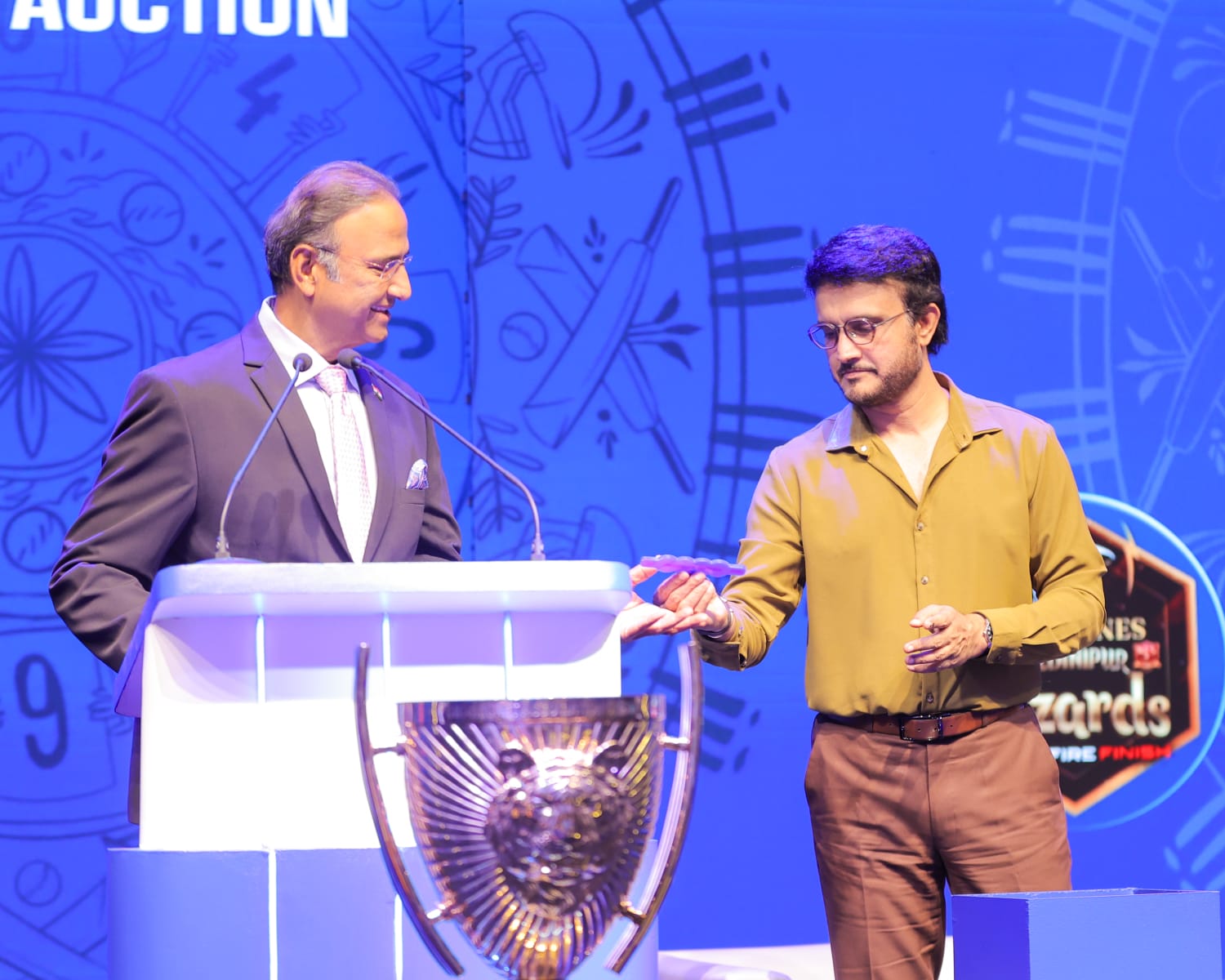
Maharashtra were the pioneer on this front, launching their own state T20 League in May 2009. Karnataka followed suit four months later with the KPL – rebranded as the Maharaja T20 Trophy a decade later.
Tamil Nadu made the phenomenon mainstream in 2016, going one step ahead by achieving franchising for the league. In 2026, virtually every Indian state and Union Territory hosts at least one T20 cricket league of their own, and for good reason. The dividends that have come from these leagues have changed the Indian cricketing ecosystem for the better.
The Tamil Nadu Premier League has been the best example of this in recent years. In the 2026 edition of the IPL, seven cricketers from Tamil Nadu – T Natarajan, B Sai Sudharsan, M Shahrukh Khan, Washington Sundar, R Sai Kishore, Varun Chakaravarthy, and Manimaran Siddharth featured, all seven of whom broke out from the TNPL over the years.
Natarajan was the first breakout star among this lot of cricketers, having picked up 10 wickets in seven games at 7.33 runs per over in the inaugural edition of the TNPL. Natarajan was roped in by Punjab Kings (then Kings XI Punjab) for 3 crore INR for the 2017 IPL.
Other state cricket boards sat up, took notice, introduced T20 leagues of their own and delivered their own superstars. The T20 Mumbai League unveiled Shivam Dube. The UPT20 League propelled Vipraj Nigam towards senior domestic cricket and the IPL.
The likes of Priyansh Arya and Digvesh Rathi rose in the ranks from the Delhi T20. Aniket Verma found his way to the IPL from the Madhya Pradesh League. Praful Hinge came through from the Vidarbha Pro T20 League.
The list goes on, and it will inflate with each passing edition of the IPL. With enhanced broadcasting and streaming facilities for each league and more attention from fans and the media, a successful stint at a local cricket league might just be the ticket to the big league for the average club/district cricketer going forward.
Emphasis on performances in BCCI age-group tournaments
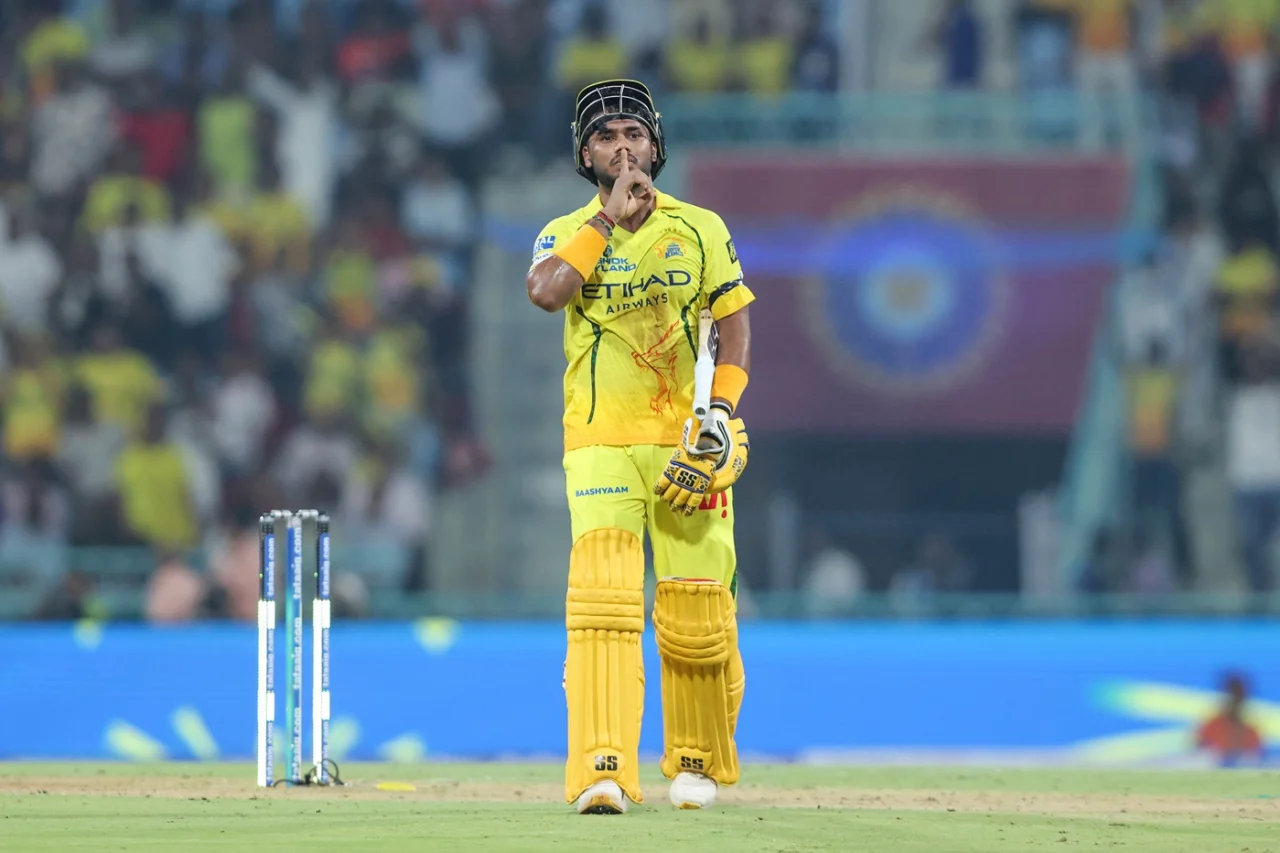
The 2023/24 C.K. Nayudu Trophy final was a one-sided affair, with Karnataka triumphing over Uttar Pradesh thanks to a healthy first innings lead.
Uttar Pradesh, led by Sameer Rizvi, were thoroughly outclassed by their opponents, but one man stood out among the lot. Vipraj Nigam took 4 for 51 in the first innings, having bowled 17.5 overs. He also hit 73 off 54 in the second innings, albeit with very little to play for, Uttar Pradesh needed 805 to win the final.
Nigam ended the 2023/24 C.K. Nayudu Trophy with 35 wickets in the 8 games Uttar Pradesh played, to go with 364 runs in 12 innings with the bat, at a strike rate of over 70. That paved the way for the leg-spin bowling all-rounder towards the UPT20, and subsequently, a place in the Delhi Capitals squad.
Over the years, BCCI’s age group tournaments haven’t just been the gateway to the senior domestic sides; they have also been a medium for many to make a case for them to be noticed by IPL franchises. Take Kartik Sharma’s case, for example.
Kartik finished the 2024/25 U19 Vinoo Mankad Trophy as the highest run-scorer with 492 runs, striking at 123.30, having hit 22 sixes in five matches. He hit 28 sixes in the U19 Cooch Behar Trophy the same season, the most by a batter in the tournament.
He had the attention of the Chennai Super Kings by then, who called him up to train with the team during the 2025 IPL.
Kartik’s six-hitting prowess went up a notch as he made his way into Rajasthan’s senior side – he hit 26 sixes in 8 outings – all of which helped him garner the attention of several other franchises. Eventually, Kartik became the joint-most expensive uncapped Indian player at an IPL auction after Chennai Super Kings snapped him up for INR 14.2 crore for the 2026 edition.
Had there been no rule of gathering senior domestic or U19 cricket experience before being able to register for the mega auction in the IPL, Kartik might have had his IPL debut a year earlier.
With more prodigies emerging every season, the BCCI might be looking at tweaking the rule of senior domestic appearances. They have been taking initiatives in order to unearth more talent for the IPL at the age-group level. The BCCI have recently revamped the Men’s U23 State-A Trophy and the Vizzy Trophy into T20 competitions from the traditional 50 overs.
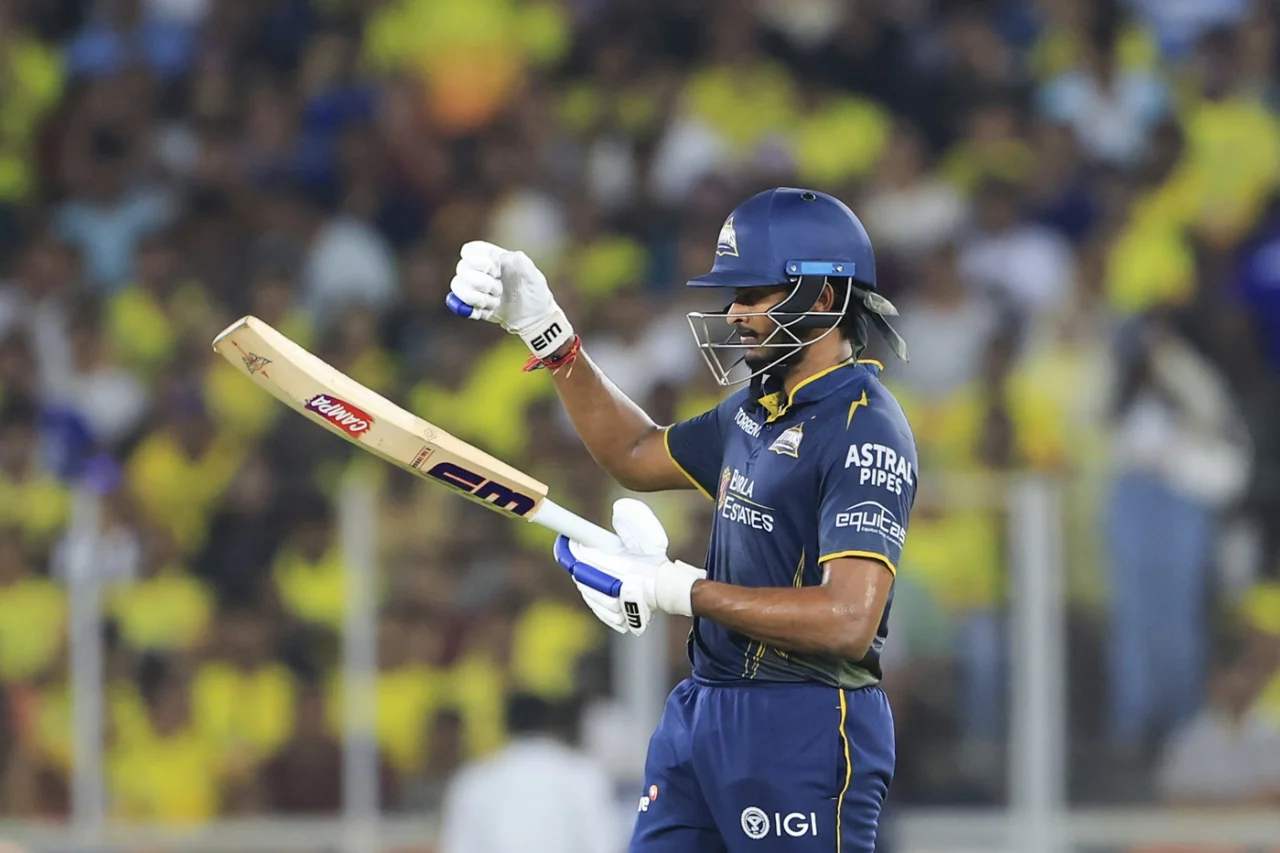
In the modern era, displaying good temperament in crunch IPL contests is paramount for a place at a higher level – the ‘A’ team or the national side – regardless of the format for which the team is picked.
Sai Sudharsan, thanks to his performances in the big occasions of the IPL, made it to the Indian top-order across formats and pipped Abhimanyu Easwaran, who has over 8,000 runs in 113 first-class matches at an average of 47.61, to the Test team in 2025.
Auqib Nabi’s non-selection for the upcoming one-off Test against Afghanistan might be down to similar reasons. While Nabi finished the 2025/26 Ranji Trophy as the highest wicket-taker, including a five-wicket haul in the final, the fact that he has failed to make an impression in the IPL this year, his first season, going wicketless in his five appearances for the Delhi Capitals, went against him.
Domestic cricket has been the bedrock for getting into the national side all these years. But with the changing ecosystem of the sport and the talent pool India has, democratising the sport and providing platforms to those far from the scheme of their domestic teams is doing Indian cricket a world of good.
While only a handful make it to the national side, hopefully, this pathway ensures a better future for those far from making it to the domestic set-up, setting up a viable, financially secure career for them.